
Economical poultry production through proper biosecurity and water treatment
Biosecurity: Reducing disease chances
In today’s highly competitive poultry industry, water treatment and biosecurity are very critical for achieving high productivity and disease-free flocks. Their synergistic effect, enhance performance and reduce poultry farmers dependence on therapeutic antibiotics.
Biosecurity is the implementation of measures that reduce the risk of the introduction and spread of disease. The effective biosecurity measure includes controlled farm entry, strict sanitation, rodent and insect control, proper waste disposal, separation of age groups, and the availability of clean feed and treated water. Apart from improving poultry health and productivity, biosecurity controls zoonotic pathogens. Further, by adopting strict biosecurity protocols farmers can reduce prevailing antimicrobial resistance problems.
- External biosecurity: This may be the combine effect of all measures taken to prevent disease at farm
- Internal Biosecurity: The actions taken to reduce the movement of pathogens within the farm, from one shed, flock, or equipment.
The poultry farm workers should be actively trained to maintain hygienic practices. Moreover, professional should also know birds handling, disinfection practices, and disease symptoms. In today’s digital age, biosecurity and hygiene levels can be archived be applying advance biosensors at farm and hatchery level. By adopting Following biosecurity practice poultry farmers may reduce the chance of disease;
- Select a low poultry density area and keep farm distance of 1 Kilo meter. This precautionary measures will reduce the chances of airborne diseased such as New castle disease, Infectious bursal disease and Avian influence.
- Adopt a proper rodent control program and keep the area free of vegetation. Bushes, trees and long grass which may attract rodents and wild birds.
- Properly fence entire farm.
- Properly handle manure and mortality. Keep the farm area clean, fit the signboards information.
- Avoid the entry of unnecessary vehicles e.g cars, delivery trucks, and if needed then disinfect and cleaned before entry.
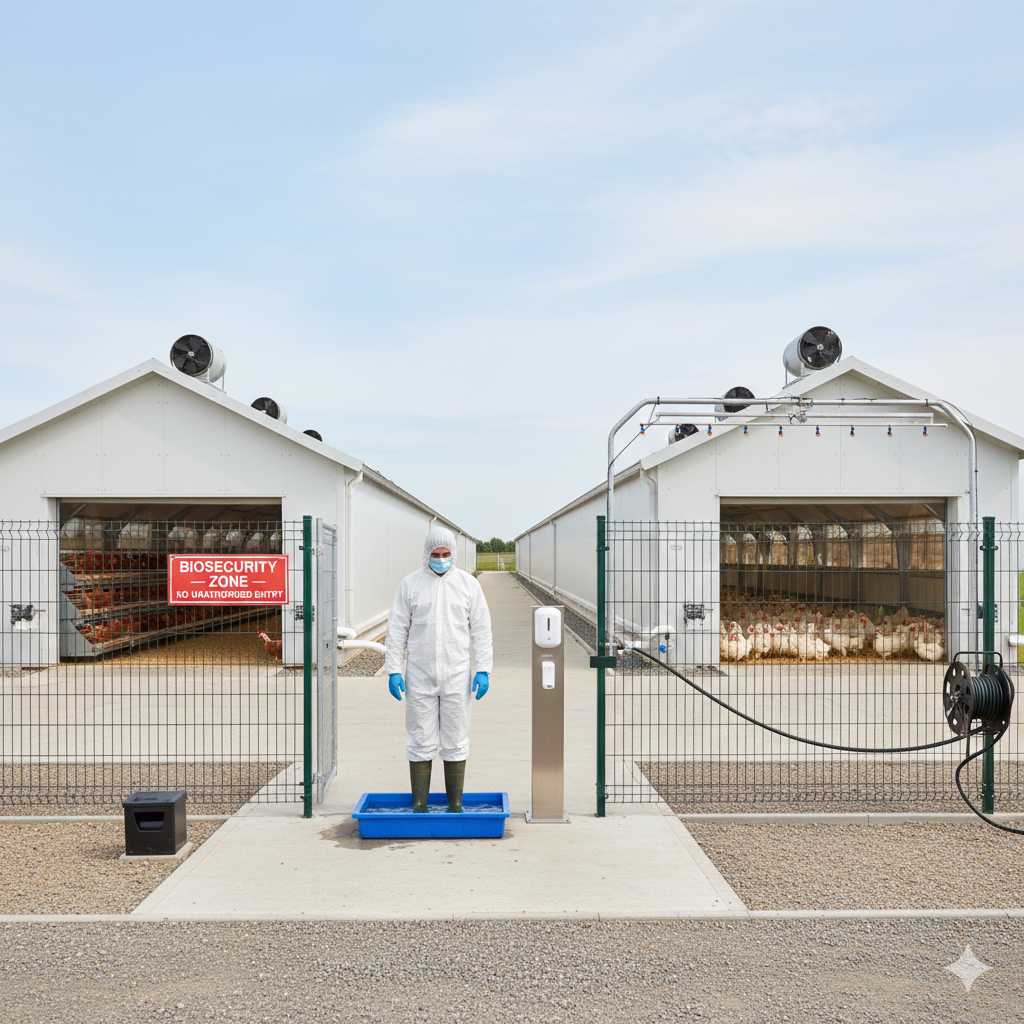
Fig 1: Biosecurity measure to enhance poultry production
Water
Warter role is very essential to maintain metabolic activity. Water also acts as thermoregulatory agents in poultry production. The clean and safe water is very necessary for proper health and production. Birds consume twice as much water as they do feed. Its quality directly impacts certain essential physiological processes, including growth rates, egg production and immunity (Hafez et al., 2020).
As contaminated water may contain pathogens like E coli and Salmonella. These spread rapidly and can cause diseases. The chemical impurities like hardness, total dissolved solids (TDS), iron nitrates can depress nutrient digestion and absorption process leading to overall poor performance.
Too acidic and alkaline water can depress feed intake, weight gain and finally the feed efficiency. The farmers must monitor TDS level, hardness, and microbial load on regular basis. Further, pH of 5.5-6.5 should be maintained. The disinfectant agents like chlorine, hydrogen peroxide, or ozone can mechanically disrupt biofilm buildup.
Ignoring water sanitation
The morbidity and mortality loss both can occur if birds are reared on unhygienic water. It is observed that farmers mainly focusing on the feed quality, toxin binders and cost-effectiveness but, ignore essential role of water sanitation.
Even the customer formula feed will fail, if the water supplied to the birds is contaminated. This situation will lead to adverse effects, including loose droppings due to microbial load, severely poor nutrient absorption (meaning amino acids, energy, and vitamins are lost). Moreover, this situation will increase prevalence of diseases like E coli and salmonella infection. The poor water quality can also adversely influence bird health and can cause diseases like enteritis and dysbacteriosis. These factors will generally weakened immunity that compromises overall production performance (Saleh et al., 2023).
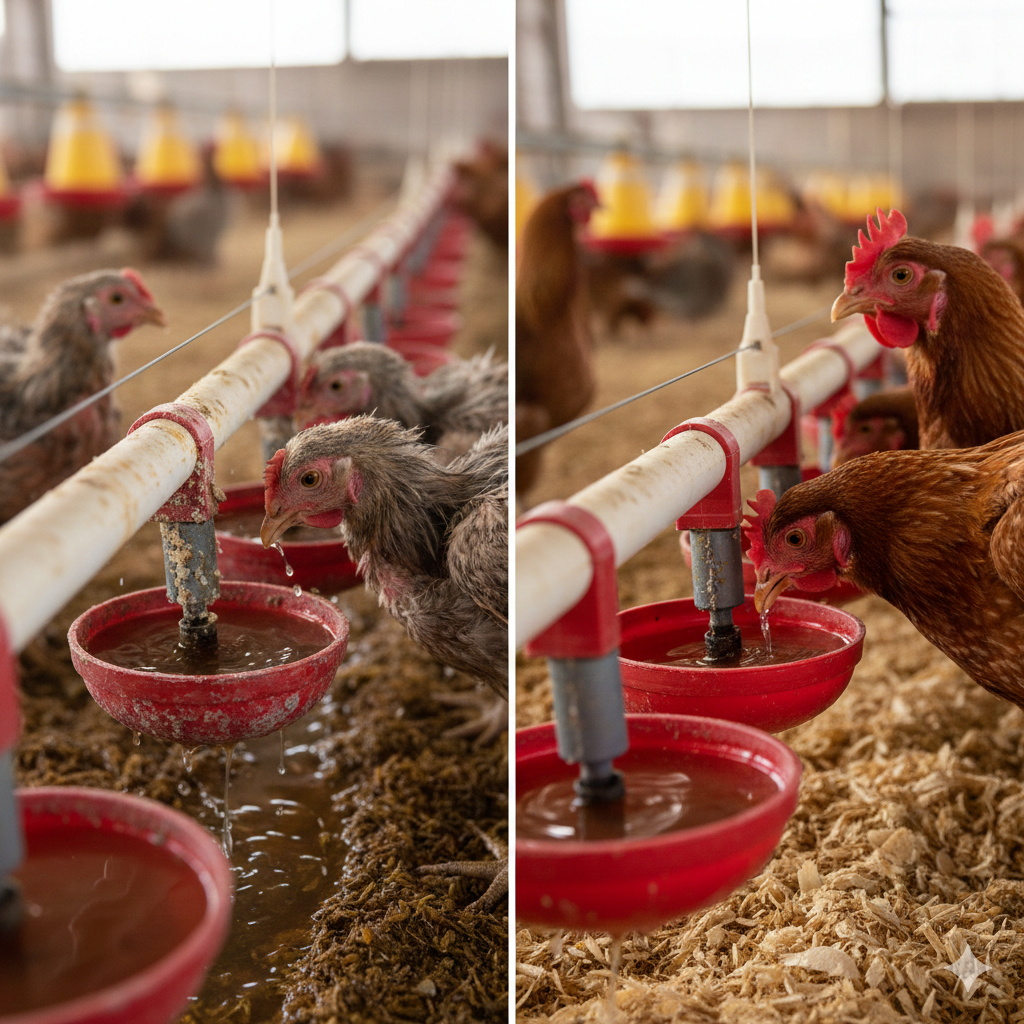
Fig 2: Impact of clean drinking water on poultry production
Water Quality
The world health organization guidelines should be followed while choosing the chemicals for water treatment (Micciche et al., 2018). Farmers should use pharmaceutical and food grade chemicals. Application of sub-standard chemicals like bleaching powder, chlorine gas, and sodium hypochlorite should be avoided, as these can negatively impacts both poultry and human health.
The Sodium dichloroisocyanurate (NaDCC) is commonly used for treating drinking water. Qiangqiang et al., (2023) observed that addition of 30 or 50 mg/L NaDCC to waterline can inhibit harmful micro-organisms growth and can raise birds health status. The NaDCC is a fast-dissolving, appropriate, and safe alternatives to liquid bleach.
Conclusion
The ultimate truth “prevention is always better than cure”. It is wise to take precautionary measures before the onset of disease. Only provision of quality poultry feed does not show farm success, but supply of hygienic water is very critical as birds consume water on daily basis. Water treatment and biosecurity are the necessary factors, considered to be as non-negotiable investments. Good bio-security and quality water can leads to more economical poultry production.
References
Amalraj A, Van Meirhaeghe H, Lefort AC, Rousset N, Grillet J, Spaans A, Devesa A, Sevilla-Navarro S, Tilli G, Piccirillo A, Żbikowski A. Factors affecting poultry producers’ attitudes towards biosecurity. Animals. 2024 Jan;14(11):1603.
Hafez HM, Attia YA. Challenges to the poultry industry: current perspectives and strategic future after the COVID-19 outbreak. Frontiers in veterinary science. 2020 Aug 26;7:516.
Meirhaeghe HV, Schwarz A, Dewulf J, Immerseel FV, Vanbeselaere B, Gussem MD. Transmission of poultry diseases and biosecurity in poultry production. InBiosecurity in animal production and veterinary medicine: from principles to practice 2019 (pp. 329-356). Wallingford UK: CABI.
Micciche AC, Feye KM, Rubinelli PM, Wages JA, Knueven CJ, Ricke SC. The implementation and food safety issues associated with poultry processing reuse water for conventional poultry production systems in the United States. Frontiers in Sustainable Food Systems. 2018 Oct 24;2:70.
Saleh NA, Ayoub MA, Nossair MA, Alqhtani AH, Swelum AA, Khojah H, Mohammed G, Imam MS, Khafaga AF, Arif M, Abd El-Hack ME. Influence of water quality and pollution on broiler’s performance, vaccine and antibiotic efficiencies–A Review. Annals of Animal Science. 2023 Oct 1;23(4):1021-36.

С недавних пор хотел разобрать этот материал,
и тут нашёл в этой публикации
отличный обзор:)
Подробности тут: инструмент ()
**Комментарий:**
Отличная статья про важность воды и биобезопасности в птицеводстве! Особенно понравилось, как подробно разобраны риски из-за некачественной воды – мало кто задумывается, что это влияет не только на продуктивность, но и на иммунитет птицы. Интересно, а какие методы очистки воды вы считаете самыми эффективными: хлор, перекись или что-то новое?
Заметил, что многие фермеры действительно сосредоточены на кормах, но игнорируют воду – странно, ведь она же основа всего. Как думаете, почему так происходит? Может, просто не хватает информации?
И вот еще вопрос: если у птицы уже есть проблемы из-за плохой воды (снижение веса, например), можно ли быстро восстановить показатели после улучшения её качества, или это долгий процесс?
Кстати, про биопленку в поилках – это реальная головная боль! Как часто на вашей практике приходится сталкиваться с этим, и какие способы борьбы работают лучше всего?
Согласен, что контроль pH и жесткости – это базис, но вот мониторить это регулярно сложно без оборудования. Есть ли какие-то простые «лайфхаки» для небольших хозяйств?
И последнее: статья намекает, что чистая вода может снизить зависимость от антибиотиков – у вас есть данные, насколько значим этот эффект?
*P.S. А графики из статьи можно где-то посмотреть в высоком качестве? Хотелось бы разобрать детали!*
1.Poor water quality can negatively affect poultry water intake, feed consumption, digestion, and growth performance (El-Sabrout et al., 2026; Merck Veterinary Manual, 2024). Improving water quality can therefore help restore normal intake and performance, although the extent and speed of recovery depend on the severity and duration of the previous water-quality problem.
2.The most effective approach to biofilm control is generally a combination of physical flushing, chemical cleaning, disinfection, and ongoing water sanitation, rather than relying on a disinfectant alone.
3.Jacob, J. (n.d.). Water requirements of poultry. Poultry Extension. University of Kentucky.
University of Georgia Cooperative Extension. (2023). Drinking water quality—Protecting your birds’ health and performance. Poultry Environmental Quality Handbook.
Regular monitoring of drinking water is important because pH and hardness can affect water intake, equipment performance, sanitation, and ultimately poultry performance. However, small farms do not necessarily need expensive laboratory equipment for routine screening. Basic water-testing kits available from agricultural, pool, pet, or hardware suppliers can measure parameters such as pH and hardness
4.https://doi.org/10.3390/antibiotics10050598