
Reference Management Software: Researcher’s Essential Tool
Writing a thesis or research paper is a demanding intellectual journey, filled with extensive reading, note-taking, drafting, revising, and refining. Among the many challenges researchers face, one of the most time-consuming is organizing references. Keeping track of dozens—or sometimes hundreds—of journal articles, books, conference papers, and online sources can overwhelm even the most disciplined scholar. This is where reference management software (RMS) becomes invaluable. These digital tools help researchers collect, organize, cite, and share references efficiently, making the research process smoother, smarter, and more reliable.
Reference management software is a specialized digital application designed to store bibliographic information, manage research materials, and automatically generate citations and reference lists in various styles. Popular tools such as Mendeley, Zotero, EndNote, RefWorks, and JabRef have become standard companions for academics across the globe. Whether one is preparing an undergraduate dissertation or defending a doctoral thesis, RMS helps maintain citation accuracy and reduces the likelihood of errors.
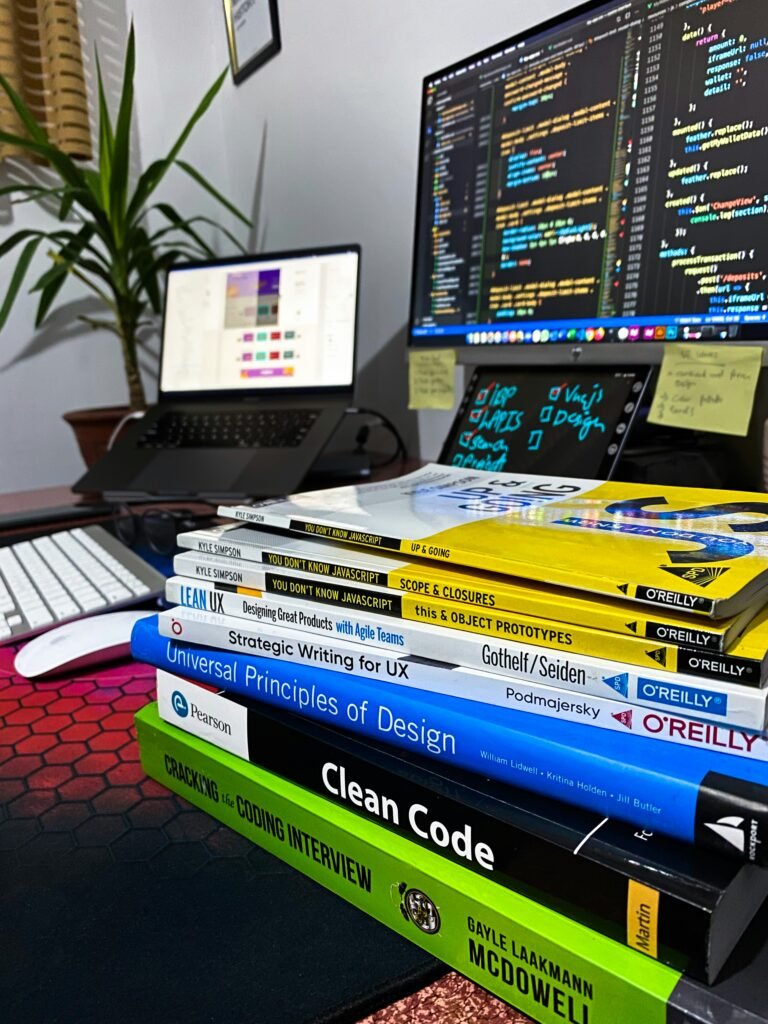
Fig: Reference Management Software: Researcher’s Essential Tool
Why Do Researchers Need Reference Management Software?
Researchers often read widely across multiple databases, books, and online platforms. Without a proper system, it is easy to misplace an article, forget a citation, or accidentally commit plagiarism. RMS addresses these challenges by centralizing all references in one organized library.
- Efficiency and Time Saving
Instead of manually typing citations or formatting bibliographies, researchers can generate them instantly in any citation style, including APA, MLA, Chicago, or Harvard. This saves hours of tedious formatting—time that can be redirected toward analysis and writing. - Accurate and Consistent Referencing
Citation rules change frequently, and formatting errors can reduce the quality of a thesis. RMS ensures that every citation is correctly formatted and consistent throughout the document. - Stress Reduction During Thesis Writing
As deadlines approach, students often feel overwhelmed. RMS reduces stress by automating tasks that would otherwise require careful proofreading and cross-checking. - Easy Organization of Research Material
Most reference managers allow users to create folders, tags, and groups for different chapters or topics. PDF annotations, highlights, and notes can also be stored within the software, making literature review more systematic.
Key Features of Modern Reference Management Tools
1. Importing References Automatically
Most RMS tools allow users to import citations directly from databases like PubMed, Scopus, Web of Science, Google Scholar, and ScienceDirect. Instead of typing details manually, researchers can transfer bibliographic data with a single click.
2. PDF Storage and Annotation
Tools like Mendeley and Zotero can store full-text PDFs in a personal library. They also offer built-in highlighting, note-taking, and commenting features. This turns the software into a mini digital library where important information is always at hand.
3. Citation Insertion into Word Processors
RMS integrates with Microsoft Word, Google Docs, and other writing software. Users can insert citations while writing, and the software automatically updates the bibliography. If a citation style needs to be changed later, it can be updated instantly across the entire document.
4. Cloud Synchronization and Backup
Cloud syncing ensures that reference libraries are not lost if a computer crashes. Researchers can access their libraries from multiple devices or locations, making their work more flexible and mobile.
5. Collaboration and Sharing
Many research projects involve teams. RMS allows users to create shared groups where members can exchange PDFs, notes, and references. This fosters collaboration, especially in multi-institution and international research work.
6. Citation Style Flexibility
Thousands of citation styles are available in RMS tools. Whether a journal requires APA 7th edition, Chicago Author-Date, or a specific science format, the software can adjust automatically.
Common Reference Management Tools
1. Mendeley
Mendeley is widely loved for its user-friendly interface and strong PDF annotation features. It also provides a social network for researchers, allowing them to share work and discover new literature.
2. Zotero
Zotero is a free, open-source tool developed by the Roy Rosenzweig Center for History and New Media. It is powerful, flexible, and integrates seamlessly with browsers, making it especially useful for capturing web-based sources.
3. EndNote
EndNote is often preferred by advanced researchers and institutions for its robust features, including advanced search, large library support, and powerful customization options.
4. RefWorks
RefWorks is a web-based tool commonly used in universities that provide institutional access. It allows users to manage references without installing software.
How Reference Management Software Supports Thesis Writing
1. Improves Literature Review Quality
A strong literature review requires careful reading, critical analysis, and accurate referencing. RMS helps researchers organize their sources systematically, highlight key points, and link themes across different studies.
2. Reduces the Risk of Plagiarism
Accurate citation ensures that credit is given where due. RMS minimizes accidental omission of references, which protects students from plagiarism violations.
3. Enhances Academic Writing Productivity
Because RMS automates repetitive tasks, researchers can focus more on argument building, data analysis, and interpretation.
4. Supports Long-Term Research Projects
Whether writing multiple papers or completing a multi-year PhD thesis, RMS maintains a permanent, searchable library of all sources. This prevents duplication of effort and preserves valuable knowledge.
Challenges and Limitations
Despite its usefulness, RMS has some limitations:
- Learning the software may take time for beginners.
- Cloud storage limits may require upgrades.
- Compatibility issues may occur between different citation styles or journal formats.
- Some advanced features are paid in tools like EndNote.
However, the benefits far outweigh the challenges, especially when writing long academic documents.
Conclusion
Reference management software has revolutionized how researchers collect, organize, and cite information. It has transformed thesis writing from a stressful, manual task into a streamlined digital process. By improving accuracy, saving time, and enhancing productivity, RMS empowers researchers to focus on what truly matters: generating new knowledge, performing meaningful analysis, and contributing to academic advancement. In today’s fast-paced research environment, mastering reference management tools is not just an advantage—it is essential for producing high-quality, credible, and professionally formatted academic work.
REFERENCES
American Psychological Association. (2020). Publication manual of the American Psychological Association (7th ed.). APA.
Gutteridge, R., & Doney, J. (2021). Reference management software: Supporting effective academic writing. Journal of Academic Librarianship, 47(3), 1–8.
Pritchard, S. (2022). Managing research references: Tools for modern scholars. Research Skills Review, 15(2), 45–57.





x777link is a quick and easy way to get to everything you need. Perfect for mobile or just to share links with friends: x777link